Carpet cleaning Bermondsey Street SE1 tips for residents
Posted on 03/07/2026
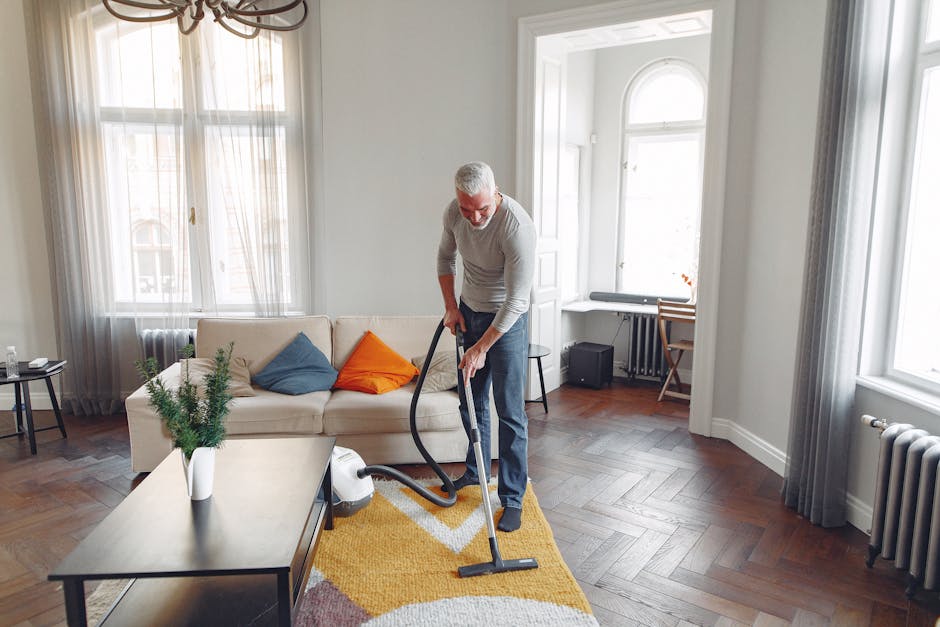
If you live on or around Bermondsey Street in SE1, you already know carpets work hard. Shoes bring in dust, hallway grit gets tracked through from the street, and everyday life adds its own quiet mess - spilled coffee, pet hair, dinner crumbs, the odd muddy footprint after a wet London morning. This guide to Carpet cleaning Bermondsey Street SE1 tips for residents is here to make things simpler. You'll find practical advice on what to do before cleaning, how different methods work, what to avoid, and when it makes sense to bring in help. No fluff. Just useful, local-minded guidance that respects real homes and real schedules.
To be fair, a lot of carpet problems are easier to prevent than fix. That said, even older, busy carpets can look and feel much better with the right approach.
- Why this matters for Bermondsey Street homes
- How carpet cleaning works in practice
- Benefits and practical advantages
- Who needs this and when it makes sense
- Step-by-step guidance
- Expert tips for better results
- Common mistakes to avoid
- Tools, resources and recommendations
- Law, compliance, standards, or best practice
- Options, methods, or comparison table
- Case study or real-world example
- Practical checklist
- Conclusion
- Frequently asked questions
Why Carpet cleaning Bermondsey Street SE1 tips for residents Matters
Bermondsey Street sits in that lively part of SE1 where homes, flats, offices, cafes, and foot traffic all overlap. That mix is great for convenience, but it is hard on carpets. Fine dust settles quickly. In entrances and living rooms, abrasive grit can work its way into fibres and act like sandpaper over time. In smaller flats, you may notice odours lingering more because air circulation is not always generous. And in rented homes, carpets often need to look decent for inspections, renewals, or end-of-tenancy checks.
The point is not just appearance, though appearance matters. Regular carpet care helps preserve fibre structure, reduce allergens trapped in the pile, and avoid the sort of deep staining that turns into a bigger job later. If you've ever looked at a patch near the sofa and thought, "That wasn't there last month," you're not alone.
There's also a practical lifestyle angle. Many residents on Bermondsey Street are juggling work, commutes, guests, and small living spaces. A cleaner carpet can make a room feel calmer and more finished. It sounds minor until you live with it every day.
For residents who want broader home care support, it can also be helpful to look at domestic cleaning support in Bermondsey or a more detailed deep cleaning service when the whole property needs attention rather than just the carpets.
How Carpet cleaning Bermondsey Street SE1 tips for residents Works
Carpet cleaning is not one single method. The best approach depends on the fibre type, how dirty the carpet is, whether it's wool or synthetic, and what kind of stains you're dealing with. In general, the process starts with inspection. A good cleaner - or a careful homeowner - checks for wear, colourfastness, old repairs, stubborn staining, and any areas that should be treated gently.
Then comes soil removal. Dry debris should be lifted first with thorough vacuuming. If that step is rushed, wet cleaning can simply turn dust into mud. After that, pre-treatment is often applied to high-traffic areas or obvious spots. This loosens greasy dirt and makes the main clean more effective.
The actual cleaning method may be:
- Hot water extraction for deeper soil removal and general restoration
- Low-moisture cleaning where faster drying is important
- Spot treatment for targeted stains
- Dry compound or bonnet-style cleaning in some maintenance situations
After cleaning, drying matters more than people think. A carpet can look fine on the surface yet stay damp underneath, especially in cooler SE1 flats or rooms with limited airflow. That's where care with ventilation, heating, and not walking on the area too soon becomes essential.
If you're comparing service levels, take a look at the broader services overview and the dedicated carpet cleaning page for Bermondsey. Those pages help you understand what professional cleaning usually covers, which is useful before you book anything.
Key Benefits and Practical Advantages
The obvious benefit is a cleaner carpet. But the real value goes a bit further than that.
- Better appearance: rooms instantly feel brighter and more cared for.
- Improved hygiene: regular cleaning removes dirt, debris, and a lot of the stuff you don't want lingering in the pile.
- Longer carpet life: grit and embedded soil wear fibres down. Remove the grit, and the carpet lasts longer. Simple, really.
- Odour control: helpful in homes with pets, kitchens nearby, or high footfall.
- Better hosting: if you have friends over, a fresh carpet quietly changes how the whole space feels.
- Rental readiness: useful before inventory checks, move-outs, or viewings.
There's also a mental benefit that gets overlooked. A clean floor surface makes a home feel less "in progress." People often obsess over paint or furniture, but carpets are what you feel underfoot every single day. That matters more than it gets credit for.
Expert summary: The smartest carpet cleaning approach for Bermondsey Street residents is usually not the most aggressive one; it's the one matched to the carpet type, the level of soil, and the time you have for drying.
Who This Is For and When It Makes Sense
This advice suits a wide range of Bermondsey Street residents. If you live in a compact flat near busy roads, you're likely dealing with more airborne dust and frequent tracked-in dirt. If you're in a period property or a renovated apartment, you may have more delicate fibres or older underlay to think about. Families with children tend to need more regular maintenance because snacks, art supplies, and shoe traffic are a fairly unstoppable trio. Pets, as charming as they are, add another layer of challenge.
It also makes sense for:
- renters preparing for inspections or moving out
- owners getting ready to sell or host guests
- landlords wanting to present a property well between tenancies
- homeworkers who want a fresher, healthier room
- anyone who has one stubborn stain they keep pretending not to notice
Sometimes the right call is a one-off clean. Other times, a regular schedule or a seasonal refresh is better. If you're in that in-between stage, the one-off cleaning option and spring cleaning service can be useful starting points for deciding what level of help fits your home.
Step-by-Step Guidance
If you want a sensible result without making a mess of things, follow a simple sequence. There's no glory in skipping straight to the wet cleaning stage. Been there, regretted it.
- Identify the carpet type. Check whether it's wool, synthetic, mixed fibre, or something delicate. If you are not sure, test a small hidden area first.
- Vacuum thoroughly. Go slowly, especially along skirting boards and under furniture edges. One quick pass is rarely enough.
- Spot-test your cleaning solution. Use a hidden area to check for colour change or texture damage.
- Treat stains before general cleaning. Grease, coffee, wine, and pet stains each behave differently. Use the right method rather than the harshest one.
- Apply the main cleaning method. Keep moisture under control and avoid overwetting the backing.
- Rinse or extract properly. Leftover detergent attracts more soil later. That's an annoying little cycle you want to avoid.
- Speed up drying. Open windows if weather allows, use air movement, and keep foot traffic off the carpet until it's properly dry.
- Inspect the result. Check for shadowing, wicking, or patches that need a second pass.
For homes that need a broader reset rather than just a carpet refresh, some residents choose to combine carpet work with house cleaning support or even a more comprehensive end of tenancy clean. That can be especially helpful when you're already moving furniture and organising the whole place.
Expert Tips for Better Results
Here's where small details make a genuine difference.
- Deal with spills fast, but calmly. Blot first. Don't scrub in circles like you're trying to erase the problem from existence.
- Use less water than you think. Overwetting creates long drying times and can encourage smell or re-soiling.
- Think from the edges inward. On busy routes, the edges and entrance areas usually need the most attention.
- Lift furniture carefully. Sliding heavy items can snag fibres or leave tracks.
- Refresh upholstery at the same time. If sofas and carpets are both tired, a room can still feel half-done. Pairing work with upholstery cleaning often creates a noticeably cleaner result.
- Don't ignore ventilation. Drying time is not an afterthought. It's part of the clean.
One practical Bermondsey Street tip: if your flat is narrow and not brilliantly airy, plan cleaning for a day when you can keep windows open safely and move around the room without fuss. A damp carpet on a cool evening can feel fine at 7pm and still be stubbornly chilly the next morning. Not ideal.
If you're choosing a provider, it's sensible to check the company background too. A clear about us page and straightforward pricing and quotes information are both helpful signs that the service is transparent.
Common Mistakes to Avoid
Most carpet problems after cleaning come from a handful of repeat mistakes. The good news is they're avoidable.
- Scrubbing stains aggressively: this can spread the mark and rough up the pile.
- Using too much detergent: residue attracts dirt and leaves a sticky feel.
- Cleaning without vacuuming first: you're just mixing soil into moisture.
- Ignoring fibre sensitivity: wool and delicate blends need a gentler touch.
- Walking on carpets too soon: footprints, re-soiling, and flattened patches are common after that.
- Forgetting hidden areas: under beds, behind doors, and beside radiators often hold the worst dust.
One more thing. People sometimes assume a stronger product equals a better clean. That is not how carpets work. The right dwell time, correct dilution, and proper extraction usually matter more than brute force. A cleaner job, not a harsher one.
Tools, Resources and Recommendations
You do not need a suitcase full of specialist gear to maintain carpets well. A few sensible tools go a long way.
| Tool or resource | What it helps with | Good for residents because |
|---|---|---|
| High-quality vacuum cleaner | Routine dirt and grit removal | Prevents deep wear and keeps daily dust under control |
| Microfibre cloths | Blotting spills and lifting residue | Gentle and useful for fast response |
| Soft brush | Loosening surface debris | Safer for pile than rough scrubbing tools |
| Airflow and ventilation | Drying after cleaning | Helps avoid damp smell and prolonged drying |
| Professional deep-clean option | Embedded dirt, stains, and high-traffic wear | Useful when the carpet needs more than maintenance |
Residents who want a more seasonal or scheduled reset can also consider a spring cleaning service alongside carpets, or browse the blog for related home-care ideas. If you need a quick way to turn advice into action, the request a quote page is the simplest route.
Law, Compliance, Standards, or Best Practice
For household carpet cleaning, there usually isn't a specific legal rule telling you exactly how to clean a carpet. Still, good practice matters, especially in rented homes, shared buildings, and properties with children, pets, or people sensitive to chemicals.
In the UK, residents and service providers should take reasonable care around electrical equipment, cleaning chemicals, wet floors, and ventilation. If you're doing it yourself, read product labels carefully, keep rooms ventilated, and avoid mixing cleaning products. That last part is worth saying plainly. Mixing chemicals can be dangerous, and it's one of those things people only need to learn once.
For landlords and tenants, carpet condition can be relevant at check-in and check-out, so documenting the state of the carpet before and after cleaning is sensible. No drama, just common sense. If there's a dispute, clear photos and notes help.
For professional services, trust signals like an insurance and safety overview and a clear health and safety policy help show the business takes risk seriously. That matters in a home environment where wet floors and moving furniture are part of the job.
Options, Methods, or Comparison Table
Choosing the right carpet cleaning method depends on what you need most: deep cleaning, fast drying, stain removal, or routine maintenance. Here's a plain-English comparison.
| Method | Best for | Pros | Limitations |
|---|---|---|---|
| Hot water extraction | Deep soil, general refresh, high-traffic carpets | Strong cleaning power, thorough soil removal | Longer drying time if ventilation is poor |
| Low-moisture cleaning | Busy homes needing quicker turnaround | Faster drying, convenient for flats | May be less intensive on heavy staining |
| Spot treatment | Specific marks or small problem areas | Targeted, efficient, useful between full cleans | Won't solve overall carpet wear |
| DIY maintenance clean | Light soil and routine upkeep | Cheap, flexible, good for prevention | Easier to overdo moisture or detergent |
If your carpet is generally sound but just looks tired near the walkways, low-moisture or maintenance cleaning may be enough. If the pile is compacted, dull, or carrying old residue, a more thorough clean is usually the better choice. There isn't a one-size-fits-all answer, which is mildly annoying but true.
Case Study or Real-World Example
Picture a Bermondsey Street flat with one hallway runner, a living room carpet, and a small bedroom carpet. The residents work long hours, so the hallway has the most wear. Over time, the runner near the front door picks up a greyish look, and the living room carpet around the sofa starts to hold a faint stale smell after rainy days. Nothing dramatic. Just enough to bug you.
They start by vacuuming properly, then deal with a couple of spots from tea and food. A small hidden patch is tested before any full treatment is used. Because the flat is compact and drying space is limited, they choose a method that balances cleaning with faster drying, and they keep windows open for airflow afterwards. The hallway looks brighter, the room smells fresher, and the carpet no longer feels slightly sticky underfoot.
What made the difference? Not magic. Just timing, patience, and using the right method for the space.
That same household later decides to have the sofa refreshed too, which is a smart move when a room has been living with daily use for a while. The before-and-after effect is usually stronger than people expect. Quietly satisfying, really.
Practical Checklist
Use this checklist before and after cleaning to keep things under control.
- Identify the carpet fibre and any delicate areas.
- Vacuum slowly and thoroughly, including edges and corners.
- Test any product on a hidden section first.
- Deal with stains before cleaning the full carpet.
- Use the smallest effective amount of moisture.
- Keep windows open or air moving where safe and practical.
- Avoid walking on the carpet until it is properly dry.
- Check for leftover residue or patchy areas.
- Move furniture back only when the carpet can handle it.
- Schedule regular maintenance before dirt becomes embedded.
Quick takeaway: the best results usually come from steady maintenance, gentle technique, and not rushing the drying stage. It's simple, but simple works.
If your carpets need more than a light tidy, or you'd rather not deal with the guesswork, it may be worth reviewing service options and then taking the next step through the contact page.
Conclusion
For Bermondsey Street residents, carpet cleaning is really about keeping pace with everyday life. Busy entrances, compact flats, pets, guests, and London grit all leave their mark. But with the right routine, most carpets can stay fresh, comfortable, and presentable for much longer than people expect.
Start with careful vacuuming, treat spills quickly, avoid overwetting, and choose a cleaning method that suits the carpet and the space. If the job feels too large, too delicate, or simply too time-consuming, a professional clean can save effort and reduce the risk of damage. That's not overkill. That's being sensible.
And honestly, a cleaner carpet does more than look tidy. It changes the feel of a room in a way you notice every time you walk in, cup of tea in hand, shoes off, home at last.
Get a free quote today and see how much you can save.