Emergency carpet cleaning Bermondsey what to know for spills
Posted on 11/10/2026
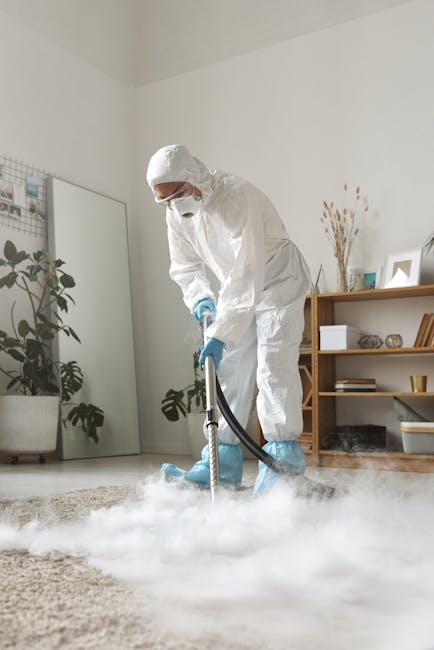
Emergency carpet cleaning Bermondsey: what to know for spills
A spill on carpet always seems to happen at the worst possible moment. One minute everything looks fine, the next you are staring at a red wine patch, a coffee splash, or muddy footprints spreading into the pile. If you are searching for Emergency carpet cleaning Bermondsey what to know for spills, you probably need clear advice fast, plus a sense of what is worth trying yourself and when to call in help.
This guide is built for exactly that moment. It explains what emergency carpet cleaning actually involves, why timing matters, how professionals usually tackle spills, and which mistakes make stains worse. We will also cover local considerations for Bermondsey homes, flats, shared stairwells, and busy rental properties. Truth be told, a calm plan beats panic every time.
Whether the spill is fresh or already setting, the aim is the same: protect the fibres, limit the damage, and avoid turning a small accident into a permanent mark. Let's get into it.
Why emergency carpet cleaning Bermondsey what to know for spills Matters
Spills are not just cosmetic. They can soak into the carpet backing, padding, and underlay if left alone, which means the stain may look smaller on top while spreading underneath. That is the annoying part. You clean the surface, walk away, and later notice a shadow, a smell, or a crunchy patch underfoot.
In Bermondsey, this matters a bit more because many properties are busy, compact, and lived in hard. Flats near Bermondsey Street, family homes, rentals near transport links, and office spaces all deal with high foot traffic. A spill on a lightly used room rug is one thing; a spill in a hallway where shoes, prams, and pets pass through all day is another. Small detail, big difference.
Emergency carpet cleaning is about speed, technique, and choosing the right response for the type of spill. Water-based drinks, oil-based food, mud, cosmetics, pet accidents, ink, bleach, and cleaning products all behave differently. If you treat them all the same, you can set the stain or damage the pile. Not ideal.
Expert summary: the earlier you act, the better the odds. Blot, contain, identify the spill if you can, and avoid aggressive scrubbing. If the spill is large, coloured, greasy, or smelly, professional help is usually the safer route.
How emergency carpet cleaning Bermondsey what to know for spills Works
Emergency carpet cleaning usually starts with assessment. A good cleaner will look at the carpet fibre, the spill type, the size of the affected area, and whether the stain has already oxidised, spread, or soaked through. That first look decides the method. Wool, synthetic, blended fibres, and delicate rugs each need different handling.
For a fresh spill, the process often begins with controlled extraction of excess liquid. After that, a suitable spot treatment is applied. Depending on the case, this might involve pH-balanced stain removers, gentle agitation, hot water extraction, or low-moisture methods. The point is not to attack the stain with brute force. The point is to lift it carefully.
Here is what usually happens in practice:
- The affected area is inspected and identified.
- Loose material or residue is removed without pushing it deeper.
- The stain is treated using the least aggressive effective method.
- The carpet is rinsed or extracted so residues do not attract more dirt later.
- The area is dried and checked for any lingering mark, odour, or texture change.
Sometimes the issue is not the visible mark at all. It is the smell. Milk, pet urine, food, and organic spills can leave odour in the fibres even after the stain fades. In those cases, a thorough clean matters more than a cosmetic quick fix.
If you already know your carpet needs a deeper clean after a spill, it can help to explore a broader carpet cleaning service in Bermondsey, especially where the spill has travelled beyond one small patch.
Key Benefits and Practical Advantages
The obvious benefit is stain removal. But honestly, the real value runs a bit deeper than that. Emergency cleaning can preserve the carpet backing, reduce odour, protect indoor air quality, and delay the need for replacement. That is a good result, particularly if the carpet is fitted throughout a flat or office.
Another advantage is consistency. Home stain removal often starts well and ends badly because people over-wet the area, scrub hard, or use the wrong product. A professional approach is more measured. It aims to clean without flattening fibres, fraying the texture, or leaving a sticky residue behind.
There is also a time-saving benefit. If you are juggling work, children, guests, or a move, it can be a relief to hand the problem over. Let's face it, nobody plans for a curry spill on a Tuesday night. Yet here we are.
- Faster stain control: especially important for wine, coffee, curry, ink, and pet accidents.
- Reduced long-term damage: less risk of underlay staining and lingering smell.
- Better appearance: no patchy finish or tide marks.
- Less stress: someone experienced handles the technical bit.
- Lower replacement risk: helpful for landlords, tenants, and homeowners alike.
For properties where a spill is part of a wider cleaning issue, services like deep cleaning in Bermondsey can be a useful next step once the immediate emergency is under control.
Who This Is For and When It Makes Sense
Emergency carpet cleaning is not only for dramatic disasters. It makes sense any time the spill is likely to stain, smell, spread, or affect a room people use every day. A small coffee splash in a corner may be manageable. A large glass of red wine in a cream hallway runner? Different story.
This service is especially useful for:
- homeowners dealing with sudden spills or pet accidents
- tenants who need to protect a deposit before a move-out inspection
- landlords and letting agents trying to keep a flat presentable between occupancies
- offices or shared spaces where downtime matters
- families with children, pets, or high daily foot traffic
- hosts and short-let operators who need quick turnaround
It also makes sense when the carpet is expensive, fitted, or difficult to replace. In Bermondsey, that could mean a stair runner in a converted property, a wool carpet in a period flat, or a practical synthetic carpet in a busy rental. Different materials, same problem: a spill that needs prompt action.
If the spill happened during end-of-tenancy cleaning pressure, you may also want to compare it with end of tenancy cleaning in Bermondsey, since a carpet stain can become part of a broader handover issue.
Step-by-Step Guidance
If a spill has just happened, here is the most sensible order of operations. Keep it simple. The first few minutes matter more than fancy products.
1. Act quickly, but do not panic
Move cups, plates, or shoes away from the area so the spill does not spread. If the room is busy, ask people to stop walking over the carpet. Sounds obvious, but in the moment people often step right back onto the stain. Human nature, I suppose.
2. Blot, never rub
Use a clean white cloth or paper towel and blot from the outside of the spill towards the centre. Press gently. Rubbing pushes liquid deeper and can distort the pile. With textured carpets, rubbing can also fray the fibres. Not worth it.
3. Remove solids carefully
If the spill includes food, mud, or solid residue, lift it away with a spoon or blunt edge. Do not grind it into the carpet. Keep things tidy at this stage. The cleaner the surface, the better the follow-up treatment.
4. Identify the spill if possible
Knowing whether it is water-based, greasy, acidic, or organic helps determine what to do next. Coffee and wine behave differently. So does oil, bleach, and pet urine. If you are not sure, keep the treatment minimal until proper advice is available.
5. Use a small amount of appropriate solution
For some fresh water-based spills, a tiny amount of mild solution may help. But be careful. Over-wetting is one of the main reasons stains spread or reappear later. If in doubt, keep to dry blotting until you can get a professional assessment.
6. Extract moisture without flooding the carpet
Use towels to absorb moisture. A wet vacuum can help if you already own one and know how to use it safely. If not, leave it. Improvised methods sometimes make the problem bigger, not smaller.
7. Dry the area properly
Airflow matters. Open windows if weather allows, or use a fan to speed drying. In a Bermondsey flat on a damp day, you may need a little patience here. Drying properly helps prevent smells, mildew, and persistent marks.
8. Call for professional help if needed
If the stain remains, has spread, or involves delicate fibres, get specialist help sooner rather than later. Waiting overnight is often the point where a manageable spill becomes a stubborn one.
Expert Tips for Better Results
Over the years, one thing becomes clear: the best spill results come from restraint. People assume more product means more cleaning power. Usually, it means more residue. And residue attracts dirt. A few days later the "cleaned" patch looks duller than the rest of the carpet. Annoying, but common.
Here are practical tips that actually help:
- Test any product first on an unseen spot if you are trying a home treatment.
- Use white cloths rather than coloured towels, which can transfer dye.
- Work gently and patiently instead of scrubbing hard.
- Keep children and pets away from the damp area while it dries.
- Treat odour separately from the stain if needed; the two problems are not always the same.
- Photograph the damage if the carpet is rented or insured, just in case records are needed later.
A small but important point: if the spill is protein-based, such as milk, egg, or bodily fluids, heat can make the stain harder to remove. Cool water and careful handling are usually safer at the start. That little detail saves a lot of trouble.
Also, do not underestimate traffic patterns. A spill in a doorway, hallway, or near the kitchen will pick up dirt faster than one tucked in a spare room. The same stain can look twice as bad in a day or two if people keep walking over it.
If you are dealing with upholstery nearby as well, for example a sofa arm or dining chair cushion that took a splash too, it may be worth looking at upholstery cleaning in Bermondsey so the whole area is treated consistently.

Common Mistakes to Avoid
Most spill disasters get worse because of a handful of predictable mistakes. The good news? They are avoidable.
- Scrubbing hard: this pushes the stain deeper and can distort fibres.
- Using too much water: over-wetting spreads the stain and extends drying time.
- Applying random products: bleach, vinegar, washing-up liquid, and stain removers can each cause problems if used blindly.
- Ignoring the underlay: a surface stain may hide deeper moisture and odour.
- Waiting too long: once a spill sets, removal becomes much more difficult.
- Mixing chemicals: that can be unsafe and may damage the carpet further.
One of the most common mistakes, oddly enough, is doing nothing because the stain "does not look that bad." Then the next morning it smells different, the edge has widened, and the carpet is not quite right underfoot. Small issue, big headache.
If the carpet is part of a broader property refresh, a one-off cleaning service in Bermondsey can sometimes be the practical answer when a spill has become part of a bigger clean-up.
Tools, Resources and Recommendations
You do not need a van full of specialist kit for the first few minutes after a spill. A sensible home response uses simple tools and a steady hand. If you are prepared, you are already ahead.
| Item | What it helps with | Notes |
|---|---|---|
| Clean white cloths | Blotting liquid without spreading dye | Use several so you are not re-depositing moisture |
| Paper towels | Initial absorption | Good for quick spill control, less ideal for textured pile |
| Spoon or blunt scraper | Lifting solids | Use gently, especially on loop pile |
| Fan or open window | Drying | Useful after any wet treatment |
| Wet vacuum | Extracting moisture | Only if you know how to use it safely |
| Protective gloves | Handling messy or unhygienic spills | Helpful for pet-related incidents or unknown liquids |
For property owners comparing options, it can also help to review the wider services overview so you understand where emergency cleaning fits alongside regular maintenance.
On the business side, good providers should be transparent about what they can treat, what they cannot guarantee, and what happens if the spill has already caused fibre damage or dye loss. If a company is vague about that, be cautious. Honest limits are a good sign, not a bad one.
Law, Compliance, Standards, or Best Practice
For most carpet spills, there is no special legal process to follow. But good practice still matters, especially in shared properties, rented homes, and workplaces. In the UK, landlords, tenants, and managers all have a practical responsibility to keep spaces reasonably safe, clean, and usable. That does not mean every stain is a legal matter. It just means delays can create avoidable problems.
Health and safety should also be part of the decision. Wet carpets can become slippery, and lingering moisture may create odour or mould risk if left unchecked. In offices or common areas, that is not just inconvenient; it can become a trip hazard or hygiene issue. So if a spill has made a walkway unsafe, deal with it promptly.
Professional cleaners should also work in line with sensible safety and environmental practice: using appropriate products, avoiding unnecessary chemical exposure, and keeping communication clear if a stain may not lift fully. If you want to know more about operational approach and care standards, the company's health and safety policy and insurance and safety information are useful pages to review.
Best practice, in plain English, means this: act quickly, choose the mildest effective method, dry the carpet properly, and be honest about what the stain is. That simple standard prevents a lot of avoidable damage.
Options, Methods, or Comparison Table
Not every spill needs the same response. Some can be handled at home. Others really should be left to a specialist. Here is a practical comparison.
| Method | Best for | Pros | Cons |
|---|---|---|---|
| Blotting only | Very fresh, small water-based spills | Fast, low risk, no product residue | May not remove staining fully |
| Mild spot treatment | Common drinks or food spills | Can help lift fresh marks | Risk of over-wetting or residue |
| Hot water extraction | Set stains, odour, larger affected areas | More thorough, good residue removal | Longer drying time if overused |
| Low-moisture cleaning | Sensitive rooms or quick turnaround | Faster drying, less saturation | Not ideal for every spill type |
| Professional stain treatment | Unknown, stubborn, or delicate cases | Targeted approach, safer for fibres | May still depend on stain age and fibre type |
The right choice depends on the carpet and the spill, not just the size of the mess. A tiny bleach splash can be more serious than a larger tea spill. Strange but true.
Case Study or Real-World Example
Picture a Bermondsey flat on a Friday evening. A guest tips a glass of red wine onto a pale carpet near the sofa. The spill spreads about the size of a dinner plate. The owner reaches for kitchen spray, then stops and checks the damage first. Good instinct.
Instead of scrubbing, they blot the excess wine with a white cloth, keep the area calm, and avoid adding random products. Because the carpet is wool-blend and the stain is fresh but coloured, they decide not to push their luck with a DIY fix. A cleaner arrives, assesses the fibre, spots a small amount of residue, and treats the area carefully with targeted stain removal before extracting moisture.
The result? The stain lightens significantly, the carpet dries evenly, and the room is usable again the next day. Not magic. Just the right process at the right time.
Now compare that with a different scenario: a milk spill that is left overnight in a hallway. By morning, the area smells sour and has started to darken at the edges. The visible stain may still be treatable, but the odour makes the job more involved. That is why timing matters so much. A lot.
Practical Checklist
Use this quick checklist when a spill happens. Keep it simple, and do the basics well.
- Stop people walking over the area.
- Blot with a clean white cloth or paper towel.
- Lift solids carefully without rubbing.
- Identify the spill type if possible.
- Avoid over-wetting the carpet.
- Do not mix cleaning products.
- Allow airflow for drying.
- Check for smell, spreading, or colour bleed.
- Take a photo if the carpet is rented or insured.
- Call a professional if the stain is large, greasy, unknown, or still visible after gentle treatment.
Quick reminder: if the carpet feels damp for too long or the stain keeps reappearing after drying, the issue may be below the surface. That is usually the moment to bring in help.
Conclusion
Emergency carpet cleaning in Bermondsey is really about making the right call early. Blot first, avoid damage, understand the type of spill, and act before the stain settles in. For small fresh marks, careful home treatment may be enough. For coloured, greasy, smelly, or stubborn spills, professional cleaning is often the safer and more cost-effective choice.
The main thing is not to chase perfection in the first minute. Focus on control. A calm, sensible response protects the carpet far better than panic ever will. And if you are in a flat, rental, office, or busy family home, that peace of mind matters just as much as the clean itself.
If your spill is already proving stubborn, it makes sense to ask for advice before it sets further. A prompt response now can save a lot of hassle later, and maybe even save the carpet too.
Get a free quote today and see how much you can save.


