Rug cleaning for Bermondsey Station commuters SE1
Posted on 27/08/2026
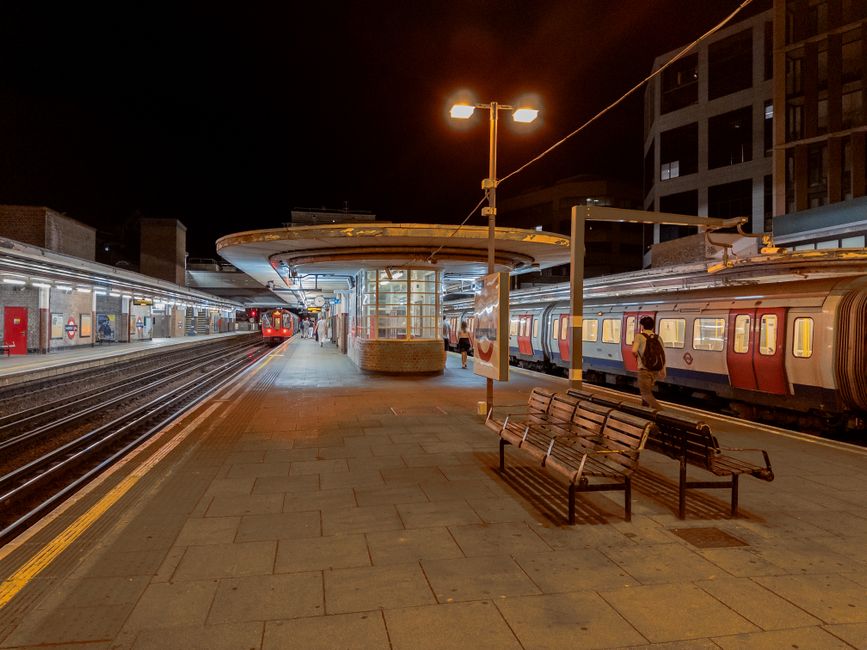
If you commute through Bermondsey Station, you already know the rhythm: early trains, late returns, damp shoes on the platform, and not much spare time between one thing and the next. Rugs take the hit from all of it. Grit from the street, coffee drips, muddy hems, pet hair, and that slow build-up of daily wear can make a good rug look tired far sooner than it should. This guide to rug cleaning for Bermondsey Station commuters SE1 is here to help you deal with that properly, without turning it into a weekend-long saga.
We'll cover how rug cleaning works, what methods suit busy SE1 households, when professional help makes sense, and the common mistakes that shorten a rug's life. You'll also find a checklist, a practical comparison table, and a few local, real-world observations that make the advice easier to use on an actual weekday evening. Truth be told, most rug problems are fixable if you act early.
- Why rug cleaning matters near Bermondsey Station
- How the cleaning process works
- Key benefits and practical advantages
- Who it is for and when it makes sense
- Step-by-step guidance
- Expert tips for better results
- Common mistakes to avoid
- Tools, resources and recommendations
- Law, compliance, standards and best practice
- Options and method comparison
- Real-world example
- Practical checklist
- Conclusion
- Frequently asked questions
Why Rug cleaning for Bermondsey Station commuters SE1 Matters
Living or working near Bermondsey Station means your floors tend to pick up the pace of the area. SE1 commuters move fast, and so does the dirt. A rug at the front door can trap street dust from a morning dash to the station, while a living room rug can collect everything from city pollution to crumbs from a late supper. It sounds small, but those particles act like sandpaper over time, slowly wearing down fibres.
There's also the simple visual side of it. A clean rug makes a room feel calmer. A stained, flattened one does the opposite, even if the rest of the flat is tidy. That matters a lot in Bermondsey, where many homes are compact and one worn item can dominate the whole space.
Rug cleaning matters for hygiene too. Rugs can hold dust, pollen, pet dander, and moisture, especially in the wetter months when shoes bring in grime and slush. If you've ever noticed a faint stale smell in a hallway after a rainy week, that's often your soft furnishings talking. Not dramatically, just quietly.
For commuters, the issue is time as much as cleanliness. You may not want a cleaning project that needs constant attention. So the best approach is one that is simple, predictable, and suited to a busy London routine. If your household also relies on regular domestic support, you might find it helpful to read about domestic cleaning in Bermondsey and how it can fit around a commuter schedule.
How Rug cleaning for Bermondsey Station commuters SE1 Works
Rug cleaning is not just a stronger version of vacuuming. Done properly, it's a staged process that removes loose debris, loosens embedded soil, treats stains carefully, and then dries the rug without leaving residue behind. The exact method depends on the fibre, weave, backing, and whether the rug is wool, synthetic, silk-blend, or something more delicate.
In practical terms, the process usually starts with inspection. A cleaner looks at the rug's material, age, condition, and existing damage. That matters because the wrong cleaning solution can cause fading, dye bleed, shrinkage, or a wavy finish. You do not want a "quick fix" that makes things worse. Been there, seen that, and it's never a bargain in the end.
After inspection comes dust removal. This is often the most underrated stage. Deep dust removal matters because dry soil lodged in fibres is what makes rugs look dull and feel rough. Then comes spot treatment, followed by the main clean. Depending on the rug, that may involve low-moisture cleaning, hot water extraction, hand washing, or controlled shampooing.
Drying is the final piece. Good drying is everything. A rug that is cleaned but left damp for too long can develop odours or distortion. In a busy commuter home, this is especially important because no one wants a hallway blocked for two days. If you're comparing cleaning options, our services overview is a useful starting point for understanding the broader support available.
Key Benefits and Practical Advantages
The most obvious benefit is that the rug looks better. Fair enough. But there's more to it than appearance. A well-cleaned rug can also feel softer underfoot, hold less dust, and last longer before showing wear. That matters if you've invested in a decent piece rather than treating it as a disposable mat.
For SE1 commuters, the practical advantages are even more noticeable:
- Less tracked-in dirt from platform-to-home journeys.
- Better air quality at floor level, especially in smaller flats.
- Longer textile life because grit is removed before it abrades fibres.
- Improved presentation if you host guests or rent out the property.
- Fewer odours from moisture, spills, or pet traffic.
There's also a value angle. Rugs can be surprisingly costly to replace, especially if they're handmade or chosen to match the room. Cleaning is usually the sensible middle ground. It restores the look without forcing a replacement you may not need yet. If you're weighing this against broader upkeep, the advice in deep cleaning in Bermondsey may also help you think about the bigger picture.
And yes, it can make mornings nicer. That sounds slight, but stepping onto a fresh rug while you're half-awake and checking the time on the way to the station is one of those tiny comforts that adds up.
Who This Is For and When It Makes Sense
This topic is most relevant to people who live near Bermondsey Station and want a low-friction way to keep their home in decent shape. That includes renters, owners, flat-sharers, landlords, and anyone using a rug as part of a practical everyday interior rather than a showpiece only.
It makes sense if you notice any of the following:
- Visible dirt at the edges or in traffic lanes.
- Spots that reappear after vacuuming.
- A dull, flattened texture underfoot.
- Pet hair or pet-related smells.
- Musty odours after wet weather.
- Recent spills, food marks, or drink stains.
It's also worth considering if you're planning to move, refresh a rental, or prepare a property for inspection. In those cases, rug cleaning is often part of a wider tidy-up rather than a standalone task. A lot of people pair it with end of tenancy cleaning in Bermondsey when they want the whole place to feel properly reset.
If you work long hours, commute into central London, or simply prefer to spend weekends doing anything other than scrubbing fibres, professional help is usually the sensible choice. To be fair, rugs are one of those items that look easy until you try to clean them evenly.
Step-by-Step Guidance
Here's a straightforward process you can follow, whether you're doing basic maintenance yourself or preparing the rug for a professional clean.
- Check the care label or fibre type. Wool, synthetic, cotton, viscose, and blended rugs all behave differently. If the rug has no label, treat it cautiously.
- Vacuum thoroughly. Go slowly and use both directions if possible. Don't just skim the top. Lift as much dry soil as you can first.
- Test any spot treatment first. Pick a hidden corner. This is especially important for dyed or patterned rugs.
- Blot, don't rub. Rubbing pushes stains deeper and can rough up fibres. Gentle pressure usually works better.
- Use the lightest effective cleaning method. Start simple. A small issue rarely needs a heavy-handed approach.
- Rinse if needed. Cleaning residue can attract new dirt, so don't leave product behind unless the method requires it.
- Dry properly. Raise the rug if possible, improve airflow, and avoid laying it back down too early.
- Re-check once dry. Stains often look different after drying, and a second pass may be enough for the remaining mark.
One small but useful tip: if the rug is large, move it away from foot traffic while it dries. It's obvious, but people forget. Then you're back to avoiding that one damp patch for the next two hours like it's a puddle in a train carriage.
Expert Tips for Better Results
Good rug cleaning is often about restraint. More product, more water, and more scrubbing are not automatically better. In fact, they can create new problems. Here are the habits that make the biggest difference.
- Act quickly on spills. Fresh marks are far easier to lift than set-in stains.
- Vacuum on a schedule. In commuter homes, weekly is a sensible minimum; more often if you have pets or heavy foot traffic.
- Rotate the rug. This evens out fading and wear, especially near doors and sofa edges.
- Use a rug pad. It helps stop slippage and reduces friction against the floor.
- Keep shoes at the door. Not glamorous, but very effective.
- Control moisture. If a rug feels damp for too long, stop and reassess the drying setup.
For delicate textiles, the safest approach is often professional advice rather than experimentation. That's especially true if you own items that sit alongside other soft furnishings, like curtains or upholstered chairs. If you're exploring a wider refresh, our page on upholstery cleaning in Bermondsey is worth a look too.
And one slightly old-school tip that still works: take photos before cleaning. Not for social media. Just for your own sanity if you want to compare before and after, or to document a stain you're trying to treat in stages.
Common Mistakes to Avoid
Most rug damage happens because someone tries to hurry the job. The intention is good; the result, not always. Here are the most common slips.
- Using too much water. This can weaken backing, distort shape, or leave the rug smelling stale.
- Scrubbing aggressively. That can fuzz fibres and spread the stain wider.
- Ignoring the fibre type. What works on a synthetic rug may ruin a wool one.
- Leaving cleaning product in the pile. Residue tends to attract dirt again.
- Drying too slowly. Slow drying is one of the main causes of odour and mildew.
- Trying one method repeatedly without pausing. Sometimes you need to stop, let the area dry, and reassess.
There's also the "it'll be fine" mistake. You know the one. It looks a bit better while wet, so people assume the problem is solved. Then it dries and the mark returns, or the edge curls, or the colour looks patchy. Not ideal.
If the rug is particularly valuable, handmade, antique, or delicate, avoid guesswork altogether. That's usually where proper assessment saves the day.
Tools, Resources and Recommendations
You don't need a trolley full of gadgets to keep a rug in good shape. A few practical tools go a long way.
- Vacuum with adjustable suction for regular upkeep.
- Soft brush or upholstery attachment for gentle surface lifting.
- Clean white cloths for blotting spills without transferring dye.
- Small bowl of cool water for diluted spot work, where appropriate.
- Fan or open airflow to support drying.
- Rug pad to reduce movement and wear.
If you're trying to build a better routine across the home, it can help to think in layers: regular vacuuming, spot attention, then periodic deeper treatment. That's usually more effective than waiting until the rug looks obviously tired.
Readers who like planning ahead may also want to explore spring cleaning in Bermondsey or the more flexible option of one-off cleaning in Bermondsey when the whole flat needs attention rather than just the rug.
If you're comparing professional support, it's also sensible to review pricing and quotes carefully. You want clarity on what's included, how the rug will be assessed, and whether drying guidance is part of the service. No one enjoys vague pricing. Let's be honest, it's usually where the stress starts.
Law, Compliance, Standards, or Best Practice
Rug cleaning is not a heavily regulated activity in the way some specialist trades are, but there are still important standards and best-practice expectations worth understanding. For households, the main concern is safety, care, and honest handling of fabrics. For businesses or landlords, there may be added expectations around safe access, tenant communication, and property condition.
From a practical standpoint, good providers should work in line with sensible health and safety practice, use suitable products for the material being treated, and avoid methods that create avoidable damage. If a cleaner is using water, heat, or chemicals, they should be able to explain why. That's not overkill. It's basic professionalism.
If you're arranging work in a rental or shared property, clear communication matters too. Some buildings have access rules, noise expectations, or lift restrictions, especially near busy transport links. A good plan reduces disruption for everyone. If you want a bit more reassurance on how a service is run, the company's health and safety policy and insurance and safety information are sensible pages to review.
Privacy and payment handling also matter when you're booking online or over the phone. That's just standard trust-building, really, and it should be clear rather than buried. If you're curious, privacy policy and payment and security pages help set expectations in plain language.
Options, Methods, or Comparison Table
Different rugs need different approaches. The right method depends on fibre, stain type, dryness risk, and how much time you have. Here's a simple comparison to help you think it through.
| Method | Best for | Pros | Watch-outs |
|---|---|---|---|
| Regular vacuuming | All rugs, weekly maintenance | Fast, cheap, prevents dirt build-up | Won't remove stains or deep soil |
| Spot cleaning | Fresh spills and small marks | Quick response, targeted treatment | Can spread stains if rubbed badly |
| Low-moisture cleaning | Busy homes and quicker turnaround | Less drying time, practical for flats | May not suit every heavy stain |
| Deep cleaning | Embedded dirt, odours, tired-looking rugs | More thorough restoration | Needs correct drying and fibre knowledge |
| Professional hand cleaning | Delicate, valuable or antique rugs | Careful, controlled, material-aware | Usually slower and more specialist |
For most commuters, the sweet spot is simple: maintain regularly, respond fast to spills, and book a deeper clean when the rug stops responding to normal care. That tends to keep costs sensible too.
Case Study or Real-World Example
Here's a realistic example from the kind of home we see around SE1. A couple living a short walk from Bermondsey Station had a medium-sized rug in their living room. They both commuted, so the rug sat in the path from the door to the sofa, which is exactly where dirt gathers. Over time, the centre looked flat and the lighter border had gone greyish.
They'd been vacuuming, but only lightly and not very often. The rug wasn't ruined, just neglected a bit. First, it needed a proper dust removal stage. After that, the stained traffic area had to be treated carefully, with drying managed so the backing didn't stay damp overnight. Nothing dramatic. Just methodical work done in the right order.
The useful lesson? The issue wasn't one giant stain. It was a build-up of small things: outdoor grit, shoes, a bit of food spill, and time. That's common in commuter homes. By the time a rug looks "dirty," it usually has weeks of embedded soil in it already.
They also changed a couple of habits afterwards: shoes at the door, faster spill response, and a proper vacuum rhythm. Boring? Maybe. Effective? Absolutely.
Practical Checklist
Use this before and after cleaning to keep things simple.
- Identify the rug material and backing if possible.
- Vacuum both sides where appropriate.
- Test any treatment on a hidden area first.
- Blot spills gently instead of rubbing.
- Avoid soaking the rug.
- Allow strong airflow during drying.
- Keep foot traffic off the rug until fully dry.
- Rotate the rug every so often to even out wear.
- Book a deeper clean if odour, dullness, or stains remain.
- Review the care advice for delicate or valuable items.
If the rug is part of a larger home reset, it may make sense to combine it with house cleaning in Bermondsey or, for workplaces with reception rugs and shared areas, office cleaning in Bermondsey. That way the whole environment feels consistent, not just one corner of it.
Get a free quote today and see how much you can save.
Conclusion
Rug cleaning for Bermondsey Station commuters SE1 is really about keeping pace with city life without letting soft furnishings suffer for it. A good rug should handle daily traffic, not become another source of stress. With the right routine, the right method, and a bit of common sense, you can keep it looking fresh for much longer than most people expect.
The big takeaway is simple: vacuum regularly, deal with spills quickly, respect the fibre, and don't rush the drying. If the rug has already reached the point where home cleaning feels risky or ineffective, a professional clean is usually the calmer, safer move. That's not defeat. It's good judgement.
And if you're the sort of person who lives by the clock between home and the station, that kind of simplicity is worth a lot. Clean floors, less faff, fewer surprises. Nice, really.