Upholstery cleaning near Maltby Street Market Bermondsey
Posted on 17/07/2026
Upholstery cleaning near Maltby Street Market Bermondsey: a practical guide for busy homes, rentals, and local businesses
If you live, work, or run a property near Maltby Street Market, you already know the area has its own rhythm. Weekend footfall, food smells drifting through the streets, narrow access in some buildings, and everyday city dust all have a way of finding their way into sofas, armchairs, dining chairs, and banquettes. That is why upholstery cleaning near Maltby Street Market Bermondsey is not just a nice-to-have. It is often the difference between furniture that looks tired and furniture that still feels welcoming, fresh, and genuinely comfortable.
In this guide, we will walk through how upholstery cleaning works, when it makes sense, what to expect, and how to avoid the usual mistakes. We will also cover local considerations around Bermondsey living, different fabric types, practical booking advice, and a few standards worth keeping in mind. If you are comparing options, you can also browse the wider services overview or read more about upholstery cleaning in Bermondsey before you decide.
Contents
- Why upholstery cleaning near Maltby Street Market Bermondsey matters
- How upholstery cleaning near Maltby Street Market Bermondsey works
- Key benefits and practical advantages
- Who this is for and when it makes sense
- Step-by-step guidance
- Expert tips for better results
- Common mistakes to avoid
- Tools, resources and recommendations
- Law, compliance, standards, or best practice
- Options, methods, or comparison table
- Case study or real-world example
- Practical checklist
- Conclusion
- Frequently asked questions
Why upholstery cleaning near Maltby Street Market Bermondsey matters
Furniture picks up more than visible marks. It absorbs body oils, dust, crumbs, pollen, cooking residue, pet dander, and the odd spill that happens when life gets busy. Near Maltby Street Market, that can become even more noticeable because the area sees plenty of movement: visitors coming and going, deliveries, shoes tracking in grit, and homes that may be close to restaurants, cafes, or shared entrances. You may not see the build-up at first, but you can feel it. A sofa starts looking flat. Cushions lose their bounce. A favourite armchair begins to smell a bit stale after a damp week. Not dramatic, just enough to bug you.
Regular cleaning matters for more than appearance. It helps preserve fibres, keeps fabrics looking brighter for longer, and reduces the risk of grime becoming embedded. Once dirt settles deep into the pile or weave, cleaning becomes more difficult and may need a stronger process. That is especially true for textured fabrics, velvet, linen blends, and pale upholstery that shows traffic patterns quickly.
There is also a practical side. If you are renting, preparing for guests, refreshing a home office, or getting a property ready for sale or letting, upholstery is one of those details people notice immediately even if they do not consciously register it. Clean seating gives a room that quieter, cared-for feel. The kind you notice when you sit down and think, yes, this place is looked after.
For landlords and movers, upholstery cleaning can sit naturally alongside end of tenancy cleaning in Bermondsey or a broader deep cleaning service. For homeowners, it often forms part of seasonal maintenance, particularly before spring, after entertaining, or after a particularly rainy London winter.
Expert summary: if upholstery is used every day, it should be treated as a high-contact surface. Waiting until it looks obviously dirty usually means the job has already become harder than it needed to be.
How upholstery cleaning near Maltby Street Market Bermondsey works
At a good level, upholstery cleaning is a careful process of identifying the fabric, testing the safest cleaning method, removing loose debris, treating marks, and then cleaning and drying the item in a controlled way. It is not simply a matter of spraying something on and hoping for the best. The right method depends on the material, how the furniture is constructed, and what kind of soiling has built up.
1. Fabric identification and inspection
The first step is to determine what the upholstery is made from. Cotton, wool, polyester, microfibre, velvet, leather, and mixed fabrics all behave differently. A cleaning method that works well on a synthetic sofa may be too aggressive for a delicate natural fibre. A sensible technician will inspect the item closely, look for wear points, check seams and dye stability, and ask about any previous cleaning or damage.
2. Dry soil removal
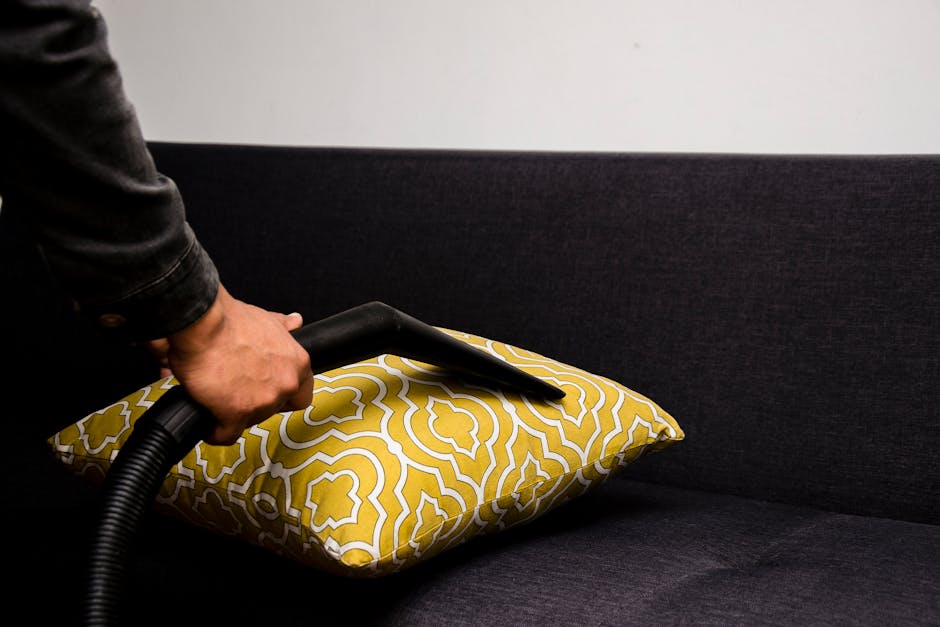
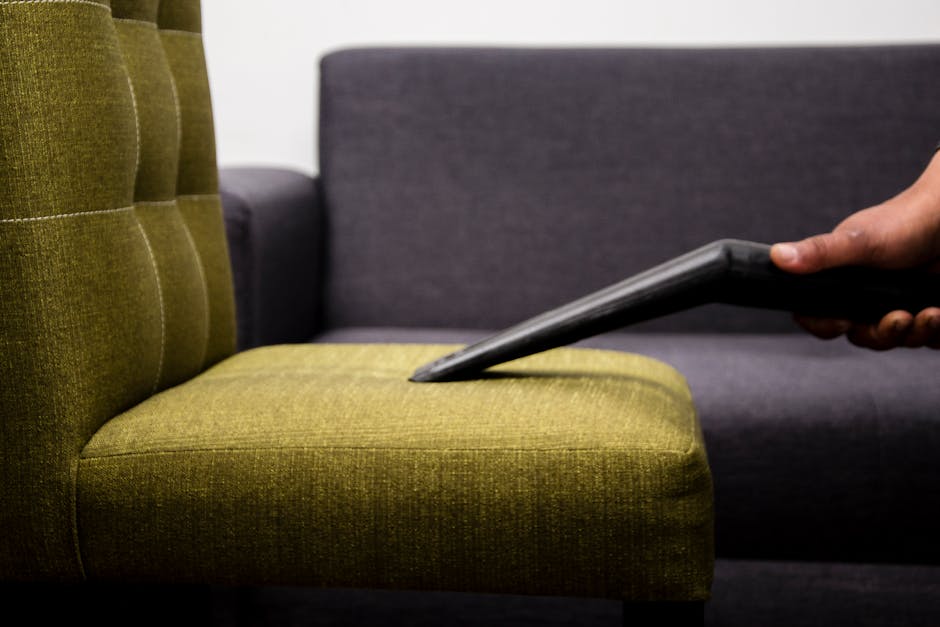
Before any liquid cleaning begins, loose dirt needs to be removed. That usually means a thorough vacuum with suitable attachments, including crevice tools for seams and edges. It sounds basic, but skipping this stage often leads to muddy residue spreading during cleaning. Nobody wants that. It is a small step that makes a big difference.
3. Pre-treatment
Spots, grease, and high-traffic areas may be pre-treated with a fabric-safe solution. The point is to loosen stubborn build-up before the main cleaning stage. On food or drink stains, speed matters. On older stains, caution matters. Some marks can be improved rather than fully erased, and a trustworthy cleaner should say so plainly rather than promise a miracle.
4. Main cleaning method
The chosen method is usually one of the following: hot water extraction for many durable fabrics, low-moisture cleaning for delicate or quick-dry situations, or specialist hand cleaning for more sensitive upholstery. For some materials, minimal moisture is the safer route. For others, a deeper extraction clean may be better when done properly.
5. Rinse, recovery, and drying
Residual solution should be reduced where possible, and airflow is important for drying. In a flat near the market, windows may not always be opened widely, especially in wet weather, so drying strategy matters. Fans, ventilation, and sensible aftercare instructions help the fabric dry evenly. The aim is to avoid sogginess, watermarking, or that annoying slightly damp smell that lingers far too long.
6. Final check and aftercare advice
The final stage should include a review of results and practical advice. That may cover drying time, how to handle a remaining mark, or when to avoid using the furniture again. A clean that looks good but dries badly is not really a good clean at all.
Key benefits and practical advantages
Upholstery cleaning gives you more than a tidier living room. The gains are both visual and practical, and in a busy London area they can be surprisingly noticeable.
- Better appearance: colours look fresher, marks are reduced, and the whole room feels more finished.
- Improved comfort: cleaned seating feels less grimy and more pleasant to use, which matters when you sit on the same sofa every evening.
- Odour reduction: fabrics can hold onto food, pets, smoke, and general day-to-day smells.
- Longer fabric life: removing abrasive grit and surface grime helps reduce fibre wear.
- Healthier indoor environment: regular fabric care can reduce the build-up of dust and allergens, though it is not a medical treatment.
- Better impression for guests or buyers: clean upholstery lifts a space without a full refit. It is one of those small wins that quietly does the heavy lifting.
For businesses, the benefits are even more direct. Office seating, reception chairs, and waiting area furniture can make a solid first impression when clean. If your premises are used by clients or staff throughout the week, you may find it worthwhile to review office cleaning in Bermondsey as part of a wider maintenance routine. One-off refreshes also fit well with one-off cleaning in Bermondsey when the space just needs a reset.
There is also a property value angle. If you are preparing a home for sale or want to keep a rental attractive between lets, the furniture tells a story about how the place has been maintained. A clean sofa says the rest of the home probably gets looked after too. Fair or not, that is how people read a room.
Who this is for and when it makes sense
This service makes sense for a wide range of people around Maltby Street Market and the wider Bermondsey area. The right timing depends on how the furniture is used, what fabric it is made from, and what you want to achieve.
Homeowners
If you have sofas, dining chairs, footstools, or occasional chairs that are used daily, a professional clean can help restore them without the cost of replacement. Families with children, pets, or frequent visitors tend to notice the benefit fastest. One spilled glass of red juice, one muddy school coat, one winter of wet umbrellas leaning by the door... it all adds up.
Renters and landlords
For tenants, a clean sofa can make a rented home feel more settled and comfortable. For landlords, upholstery cleaning can support move-in readiness and help protect furniture provided with the property. It is often a sensible companion to house cleaning in Bermondsey or domestic cleaning in Bermondsey.
Hospitality and food-led venues
Near Maltby Street Market, furniture in cafes, bars, tasting rooms, or event spaces can collect odours and staining faster than in a quiet residential setting. If your business hosts gatherings, it may also be useful to read about unique party venues in Bermondsey, since seating maintenance is often part of keeping those spaces event-ready.
People moving house or refreshing a room
Sometimes the timing is simply practical. You are changing layout, buying a new rug, repainting the walls, or having guests over in a couple of weeks. Upholstery cleaning fits neatly into that kind of refresh. If you are in a season of "let's just sort the whole flat out", it pairs well with spring cleaning in Bermondsey as well.
When it may not make sense
If the fabric is severely damaged, badly faded, or structurally worn out, cleaning will not magically fix the underlying issue. Sometimes re-upholstery or replacement is the more honest answer. A good cleaner should tell you that rather than push a pointless job.
Step-by-step guidance
If you are arranging upholstery cleaning near Maltby Street Market Bermondsey, here is the simplest way to think about the process from start to finish.
- Identify the item and fabric. Note whether it is a sofa, chair, headboard, dining seat, or banquette. If possible, check manufacturer care labels.
- Photograph existing marks. This helps you compare before and after, and it is useful if you want to point out problem areas on arrival.
- Clear the area. Move small items, cushions, throws, and anything fragile nearby. Access is easier, and the work goes faster.
- Discuss stains honestly. Mention coffee, wine, ink, pet accidents, deodorant overspray, or any DIY spot cleaning you already tried. That last bit matters more than people think.
- Ask about the cleaning method. Water extraction, low-moisture cleaning, and hand treatment all suit different fabrics.
- Allow for drying time. Do not sit down too soon, however tempting that sofa may look afterwards.
- Check the results in daylight. Natural light shows up lingering marks more clearly than evening indoor lighting.
- Follow aftercare guidance. This may include ventilating the room, avoiding heavy use for a few hours, or not scrubbing a spot that still needs time to settle.
In practice, the jobs that go most smoothly are the ones where the customer gives clear information and the cleaner gets access without fuss. It is a small thing, but the difference is real.
Expert tips for better results
Here are the bits of advice that tend to make the biggest difference, especially on busy urban furniture that has seen a few winters.
Act on spills quickly, but gently
Blot, do not rub. Rubbing drives the spill deeper and can rough up fibres, particularly on velvet or textured fabrics. Use a clean white cloth if you have one. If you have already scrubbed, do not panic. Just stop there and explain what happened.
Check the care label before anything else
The label may seem like a tiny detail, but it is one of the most useful clues you have. It can help indicate whether water-based cleaning is safe or whether the fabric needs a solvent-based or specialist approach.
Test in a hidden area
Any reputable cleaner should do this, especially on dyed, patterned, or delicate pieces. Even with familiar fabrics, a spot test helps reduce the risk of colour transfer or texture change. Better a cautious pause than a regretful patch.
Think about the room, not just the sofa
If the room has poor ventilation, lots of cooking nearby, or limited natural light, drying and odour management become more important. A ground-floor flat off a busy Bermondsey street may need a different plan from a bright top-floor room with open windows.
Keep up a light maintenance routine
You do not need to deep clean every week. But a good vacuum, rotation of cushions, and prompt spot treatment can stretch the time between professional cleans. Little and often beats a heroic rescue job later on.
Ask what is realistic for old stains
Some marks will improve significantly; others will fade only partially. Age, heat, previous DIY products, and fabric type all matter. The most trustworthy advice is usually the least dramatic. That is a good sign, oddly enough.
If you have delicate fabrics such as velvet, it may help to read the company's guidance on maintaining velvet fabrics carefully, because velvet care tends to reward patience and a light hand.
Common mistakes to avoid
Most upholstery problems are not caused by one big disaster. They come from small, repeated mistakes. The good news? They are avoidable.
- Using too much water: over-wetting can lead to long drying times, rings, and a musty smell.
- Scrubbing stains aggressively: this can damage the pile or spread the mark wider.
- Ignoring the fabric type: one cleaning method does not suit every material.
- Skipping vacuuming first: dirt turns into slurry if it is not removed before wet cleaning.
- Trying strong household products first: some sprays leave residues that attract more dirt later.
- Expecting perfection from old damage: age-related wear, sun fade, and permanent staining have limits.
- Using furniture before it is dry: compressed damp fabric can lose its finish or pick up fresh dirt again.
There is one more common issue: people book a clean and then forget to say the piece has already been treated with a shop-bought stain remover or a steam mop attachment. That information matters. A lot, actually. It can change how the cleaner approaches the job.
Tools, resources and recommendations
You do not need a whole cupboard of specialist gear to keep upholstery in good shape between professional visits. A few sensible tools go a long way.
Helpful tools for day-to-day care
- Vacuum cleaner with upholstery attachment: for regular dust and crumb removal.
- Soft brush: useful for lifting debris from seams and textured surfaces.
- Clean white microfibre cloths: ideal for blotting spills without dye transfer.
- Spray bottle with plain water: sometimes all you need for very light surface marking, though always use with caution.
- Fans or good ventilation: helpful after any moisture-based cleaning.
What to ask before booking
- What cleaning method do you recommend for my fabric?
- Do you inspect care labels and test hidden areas first?
- How long should drying take in a typical Bermondsey flat or house?
- What stains are realistic to improve, and which are likely permanent?
- Do you provide aftercare advice?
Useful service combinations
Upholstery cleaning often works best when combined with related services rather than treated in isolation. Depending on your situation, you may also want to consider carpet cleaning in Bermondsey, spring cleaning in Bermondsey, or a broader deep clean. If you are coordinating a property refresh, browsing pricing and quotes can also help you compare the shape of different jobs before you commit.
Law, compliance, standards, or best practice
For upholstery cleaning, the main compliance issues are usually practical rather than legal drama. Still, there are a few UK best-practice points worth keeping in mind.
First, cleaning should be carried out with appropriate care for the property and the fabrics involved. That means assessing risk, using the right products, and avoiding unnecessary damage. In business premises, especially where staff or customers use the furniture regularly, a sensible cleaning schedule also supports general hygiene and housekeeping expectations.
Second, if cleaning is taking place in a rental property or end-of-tenancy setting, both parties benefit from clear communication about what condition the furniture was in beforehand and what is expected afterwards. That is less about legal jargon and more about avoiding unhappy surprises. Everyone's life is easier when the expectations are written down and actually read. Rare, but helpful.
Third, cleaners should work in line with reasonable health and safety practice. That includes using products carefully, ventilating rooms where needed, and handling electrical equipment responsibly. If you are booking any service provider, it is fair to ask about health and safety policy, insurance and safety, and how they approach customer protection on site.
Finally, if a company handles your personal information, booking details, or access instructions, good data handling is part of trust. You may also want to look at their privacy policy, terms and conditions, and payment and security information before confirming. Simple, sensible, and worth doing.
Options, methods, or comparison table
Not every upholstery job needs the same approach. Here is a simple comparison to help you think it through.
| Method | Best for | Advantages | Watch-outs |
|---|---|---|---|
| Hot water extraction | Durable fabrics, deeper soil build-up, general refreshes | Can remove embedded dirt effectively and leaves a strong overall clean | May not suit delicate fabrics and requires good drying conditions |
| Low-moisture cleaning | Quick turnaround, moisture-sensitive spaces, lighter maintenance cleans | Faster drying and reduced risk of over-wetting | May not shift very heavy staining as thoroughly |
| Hand cleaning / specialist treatment | Velvet, delicate fibres, antique or unusually constructed items | More controlled and fabric-sensitive | Takes more time and is usually not a one-size-fits-all solution |
Truth be told, the best method is not always the most powerful one. It is the one that suits the material, the stain type, and the time available for proper drying. That sounds obvious, yet it is where many jobs go wrong.
If your seating is part of a broader home refresh, you may also find it useful to look at one-off cleaning options or service information on about us if you want to understand the company's approach before booking.
Case study or real-world example
A small Bermondsey flat near Maltby Street Market had a compact two-seater sofa and a pair of dining chairs that had picked up a mix of cooking residue, drink marks, and the sort of everyday grime that only seems to show up in daylight. Nothing shocking. Just enough to make the room feel less inviting than it should have.
The first step was a careful fabric check and a vacuum along the seams and under the cushions. That alone made the piece look better, which often happens. The cleaner then pre-treated the heavier marks and used a low-moisture approach because the flat had limited ventilation and the customer needed the furniture usable again the same day if possible. The result was not "brand new", because that would be silly to claim, but the sofa looked brighter, the chairs felt fresher, and the room had a cleaner, more finished feel.
What mattered most was not only the cleaning itself. It was the clear expectation setting: what would improve, what might remain faintly visible, how long drying should take, and how to keep the fabric looking decent after the job. The customer did not need a miracle. They wanted the place to feel nice again. Job done, really.
That is the point of good upholstery cleaning near Maltby Street Market Bermondsey. It solves a real, everyday problem without turning it into a grand production.
Practical checklist
Use this quick checklist before booking or carrying out upholstery cleaning:
- Check the care label or fabric type.
- Identify the main issue: general dirt, food stains, odours, pet marks, or water marks.
- Take photos of the current condition.
- Ask whether a test patch will be done first.
- Confirm the proposed cleaning method.
- Clear access around the furniture.
- Move cushions, throws, and loose items.
- Ask about drying time and ventilation.
- Find out what results are realistic for old stains.
- Request aftercare guidance for ongoing maintenance.
Checklist done. Simple, but surprisingly effective.
And if you want to compare upholstery care with related local cleaning services, the Bermondsey Street carpet cleaning tips article is a helpful companion piece for residents nearby.
Conclusion
Upholstery cleaning near Maltby Street Market Bermondsey is about more than making a sofa look presentable for a day or two. It helps protect fabrics, improves comfort, supports a cleaner indoor environment, and gives homes and businesses a better sense of care. Near a lively market area, that matters even more because everyday dirt and odours build up faster than many people expect.
The best results usually come from the basics done well: the right fabric assessment, gentle but thorough cleaning, realistic expectations, and proper drying. No fuss. No gimmicks. Just a sensible approach that respects the furniture and the space around it.
If your seating is starting to look a bit tired, or if you simply want the room to feel fresher before guests arrive, now is a good time to act rather than wait until the marks get more stubborn. Small improvements can transform how a room feels. Honestly, they often do.
Get a free quote today and see how much you can save.
For a friendly next step, you can also request a quote or contact the team if you would rather talk through the job first.